Key Takeaways (2026)
- The global roofing materials market is on track to hit USD 191.5 billion by 2033, growing at a 4.2% CAGR (Grand View Research).
- Roofing is the third-deadliest occupation in the U.S. at 51.8 deaths per 100,000 workers, and falls cause more than 8 in 10 of those deaths (BLS data via Roofing Contractor).
- The asphalt-roofing industry warns: do not pressure-wash an asphalt roof. Soft washing is the safe method (ARMA).
- The roof-staining algae Gloeocapsa magma thrives in damp coastal climates, which describes the Pacific Northwest and Vancouver Island.
- Roof cleaning averages around $460, a fraction of the $9,600 average cost to replace a roof (Angi).

Think a clean roof is just about looks? Think again. A well-maintained roof protects energy efficiency, extends the life of the roofing system, and avoids expensive repairs down the road. The roofing sector keeps growing, and on a wet coast like Vancouver Island, where moss and algae take hold fast, regular cleaning is less a luxury and more basic maintenance for homeowners and roofing professionals alike.
Below are statistics that show why regular roof cleaning belongs on your maintenance list. Every figure is sourced and dated, so you can see exactly where the numbers come from. We have dropped the old projection-only claims and replaced them with current data from primary sources like the U.S. Bureau of Labor Statistics, Grand View Research, the EPA, and the Asphalt Roofing Manufacturers Association.
Estimate Your Roof Cleaning Cost
Roof Cleaning and Roofing Industry Statistics
1. The roofing materials market is heading toward $191.5 billion by 2033
The global roofing materials market is projected to reach USD 191.5 billion by 2033, growing at a 4.2% compound annual growth rate (Grand View Research, 2026). A larger installed base of roofs means a larger base of roofs that need ongoing maintenance and cleaning.
2. Metal roofing is growing faster than the market at large

The global metal roofing market is expected to reach USD 30.6 billion by 2033 at a 5.2% CAGR, with steel holding the largest share (Grand View Research, 2026). Metal roofs are durable, but they still benefit from regular cleaning to keep their finish and reflectivity.
3. Roofing is the third-deadliest occupation in the U.S.
Roofing ranked as the third-deadliest civilian occupation in the U.S. with a fatality rate of 51.8 deaths per 100,000 full-time workers in 2023, behind only logging and fishing (BLS Census of Fatal Occupational Injuries, 2023). That is roughly 15 times the all-industry U.S. rate of 3.3 per 100,000 (BLS, 2024). This is exactly why roof work belongs with trained, insured crews.
4. Falls cause the large majority of roofing deaths
Of the 134 roofing-industry deaths recorded in 2023, about 82% were caused by a fall, slip, or trip (BLS data via Roofing Contractor, 2023). Walking a wet, moss-covered roof is one of the most dangerous parts of the job, and it is a strong reason to leave roof cleaning to professionals.
5. Pressure washing an asphalt roof is a mistake
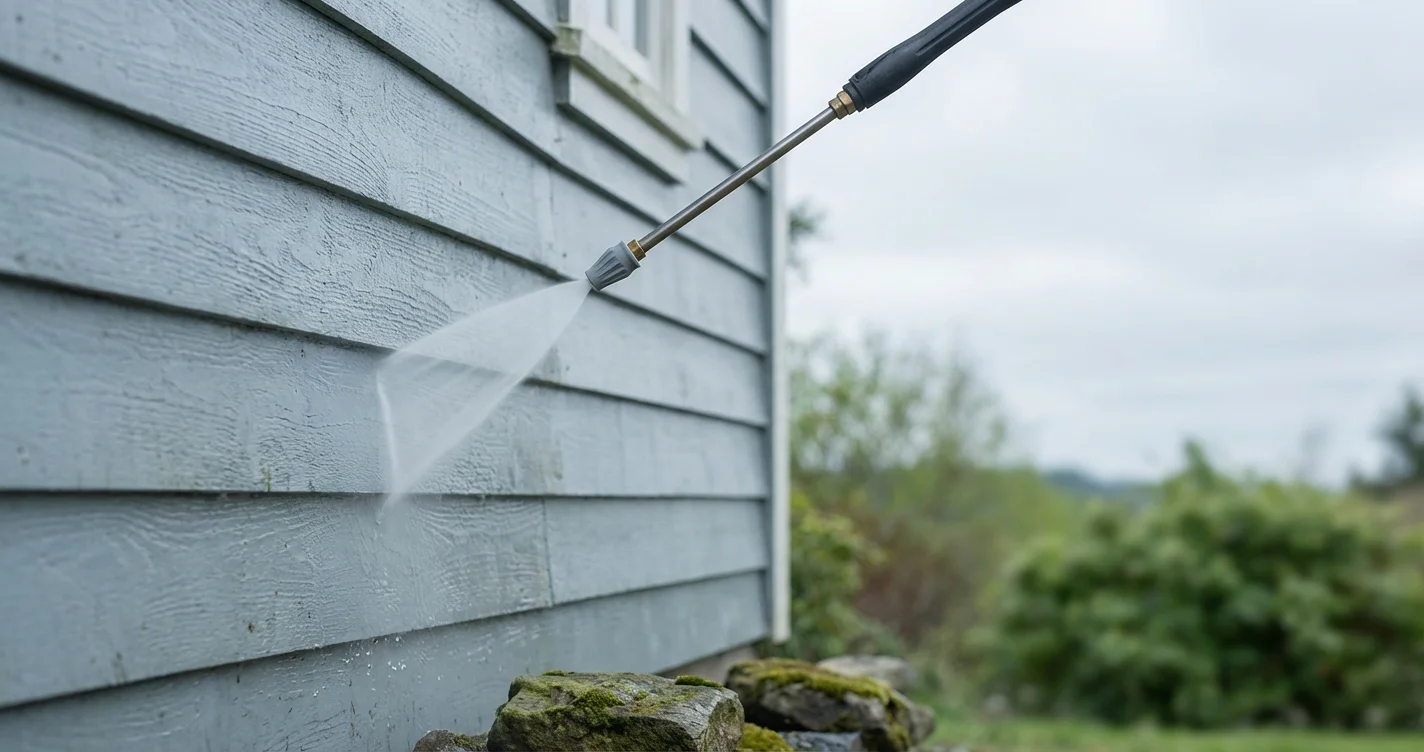
The Asphalt Roofing Manufacturers Association is explicit: to treat algae, apply a diluted sodium-hypochlorite (bleach) and water solution, and do not use a power washer, because high pressure loosens the protective granules and damages the shingles (ARMA). This is the manufacturer-backed case for soft washing over pressure washing.
6. Coastal climates like ours are prime territory for roof algae
The black streaks you see on roofs are caused by the airborne algae Gloeocapsa magma, which the industry notes is most widespread along the Northwest and Eastern seaboards and in warm, humid conditions, including southern Canada (ARMA). Damp coastal Vancouver Island fits that description closely.
7. Victoria’s wet, mild climate feeds moss and algae
Victoria, BC averages roughly 705 mm of precipitation across about 148 wet days a year, and nearby Vancouver sees around 1,457 mm (Current Results, Environment Canada station data). That kind of steady moisture is what lets moss and algae build up on Island roofs, which is why local roofs need cleaning more often than roofs in dry climates.
8. Cool roofs cut cooling demand, but only while they stay clean
The EPA reports that in air-conditioned homes, a reflective cool roof can reduce peak cooling demand by 11% to 27%, and in homes without AC it can lower indoor temperatures by up to 3.3°C (5.9°F) (U.S. EPA). That reflectivity depends on a clean surface, so dirt, moss, and algae directly eat into those savings.
9. Roof cleaning costs a fraction of a roof replacement
Professional roof cleaning averages about $460, with most jobs falling between $361 and $661 (Angi, 2026). Compare that to replacing a roof, which averages around $9,600 and can climb well past $30,000 (Angi, 2026). Routine cleaning is one of the cheapest ways to protect that bigger investment.
10. A clean exterior is a real selling lever
Curb appeal is not just a feeling: 97% of Realtors say curb appeal is important in attracting a buyer, and 92% recommend that sellers improve it before listing (National Association of Realtors, Remodeling Impact Report). A streaked, mossy roof works against that first impression, and a clean one supports it.
11. The U.S. workplace-safety baseline puts roofing risk in context
Across all U.S. industries there were 5,070 fatal work injuries in 2024, a rate of 3.3 per 100,000 workers (BLS Census of Fatal Occupational Injuries, 2024). Set against roofing’s 51.8 rate, the gap shows just how far above average roof work sits, and why a clean roof should never be a DIY job on a ladder.
12. Cleaning is the cheap end of an expensive maintenance ladder
Roof cleaning and moss treatment sit at the low-cost end of roof care, while repairs and full replacements sit at the high-cost end (Angi, 2026). Staying on the cleaning end of that ladder is how homeowners delay the costly end of it.

Taken together, these numbers make a simple case. Roof cleaning protects a major investment, supports energy efficiency, and keeps a property looking its best, all for a small fraction of what repairs and replacements cost. On a wet coast like Vancouver Island, regular roof cleaning is simply good maintenance, and given how dangerous roof work is, it is work best left to trained, insured crews.
Frequently Asked Questions
How dangerous is roof cleaning, and should I do it myself?
Roof work is among the most dangerous jobs in North America. Roofing carried a fatality rate of 51.8 deaths per 100,000 workers in 2023, the third-highest of any U.S. occupation, and falls caused more than 8 in 10 of those deaths (BLS, 2023). A wet, mossy roof is even more slippery, so cleaning is best handled by an insured crew with proper fall protection rather than a homeowner on a ladder.
Can I pressure wash my roof?
Not if it is an asphalt-shingle roof. The Asphalt Roofing Manufacturers Association advises against using a power washer because the high pressure strips the protective granules and damages shingles (ARMA). The safe approach is soft washing, which uses low pressure and a cleaning solution to kill moss and algae without harming the roof.
Why do Vancouver Island roofs get so mossy?
Victoria’s climate is wet and mild, averaging about 705 mm of rain over roughly 148 days a year (Current Results). Those damp, temperate conditions are ideal for the moss and the roof-staining algae Gloeocapsa magma, which the roofing industry notes is common in humid coastal regions (ARMA). That is why local roofs need cleaning more often than roofs in dry climates.
Is roof cleaning worth the cost?
For most homeowners, yes. Roof cleaning averages around $460, while a full roof replacement averages about $9,600 and can run far higher (Angi, 2026). Regular cleaning helps protect that larger investment, supports a clean look that 97% of Realtors say helps attract buyers (NAR), and keeps a reflective roof working as intended.
For more information and to keep your roof in optimal condition, consider roof cleaning done right in Victoria. If you are comparing providers, here is how to find the best roof cleaning company, and you can check the typical roof cleaning prices in Victoria before you book. Share this post to spread awareness about the importance of roof maintenance.
Sources:
- Grand View Research, Roofing Materials Market
- Grand View Research, Metal Roofing Market
- U.S. Bureau of Labor Statistics, Census of Fatal Occupational Injuries
- Roofing Contractor (BLS CFOI analysis)
- Asphalt Roofing Manufacturers Association (ARMA)
- U.S. EPA, Cool Roofs
- Angi, Roof Cleaning and Replacement Costs
- National Association of Realtors, Remodeling Impact Report
- Current Results (Environment Canada precipitation data)